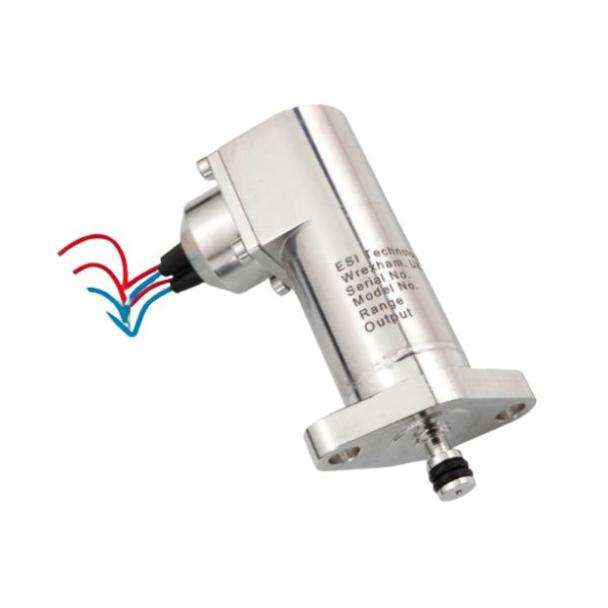
IECEX Pressure Transducers for Hazardous Areas
The IEC (International Electrotechnical Commission) classifies hazardous areas into various Zones.
Need some help? Send any questions through our contact page here, or call us directly on 1300 236 467.
Explosive Gases
| Zone | Definition |
|---|---|
| Zone 0 | An area in which an explosive atmosphere is present continuously for long periods of time or will frequently occur. |
| Zone 1 | An area in which an explosive atmosphere is likely to occur occasionally in normal operation. It may exist because of repair, maintenance operations, or leakage. |
| Zone 2 | A place in which an explosive atmosphere is not likely to occur in normal operation but, if it does occur, will persist for a short period only. These areas only become hazardous in case of an accident or some unusual operating condition. |
Explosive Dusts
| Zone | Definition |
|---|---|
| Zone 20 | A place in which an explosive atmosphere, in the form of a cloud of combustible dust in air, is present continuously, or for long periods or frequently for short periods. For example, a mill or pneumatic conveying system. |
| Zone 21 | A place in which an explosive atmosphere, in the form of a cloud of combustible dust in air, is likely to occur occasionally in normal operation. For example, bagging points and inspection ports that are frequently opened. |
| Zone 22 | A place in which an explosive atmosphere, in the form of a cloud of combustible dust in air, is not likely to occur in normal operation but, if it does occur, will persist for a short period only. For example, leaks from incorrectly fitted lids or spillages. |
Safety in these hazardous areas can be achieved by two methods:
Intrinsic Safety (IS): EX ia
An intrinsically safe system is one where the design of the electronics and electrical circuits ensures energy levels are so low that they cannot cause a spark that would trigger an explosion.
This requires IECEx-certified pressure sensors with a safety barrier circuit.
Explosion Proof: (Ex d)
This type of protection is achieved by the physical design of the pressure sensor’s enclosure and the installation wiring and hardware
The idea is to contain any flame or spark, separating it from the explosive atmosphere outside.
Cost Comparison of Intrinsic Safety and Explosion-Proof Pressure Measurement Systems
Ex d rated pressure transducers can cost more than intrinsically safe pressure sensors.
However, overall cost depends on the application.
Explosion-proof wiring is much more expensive to install than intrinsically safe wiring, because it requires explosion-proof conduit and seals to isolate the circuit from the hazardous environment. Therefore, for long cable runs, an intrinsically safe installation may be more cost-effective. This is because the safety barrier required for an intrinsically safe installation can be cheaper than buying a considerable amount of conduit.
IECEx Pressure Transducers
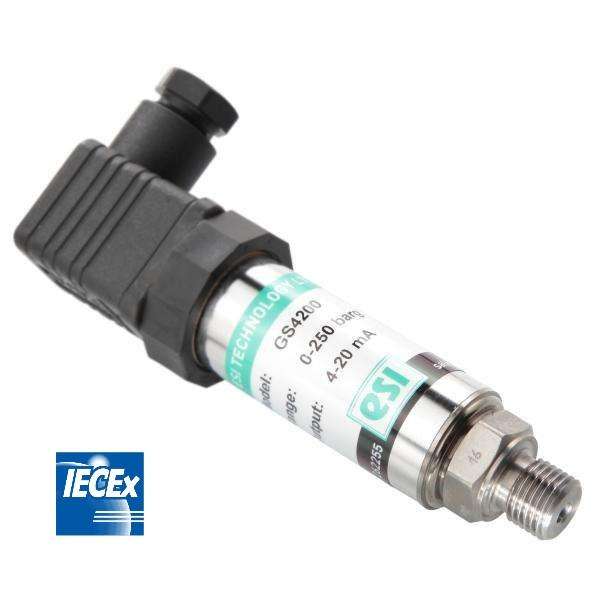
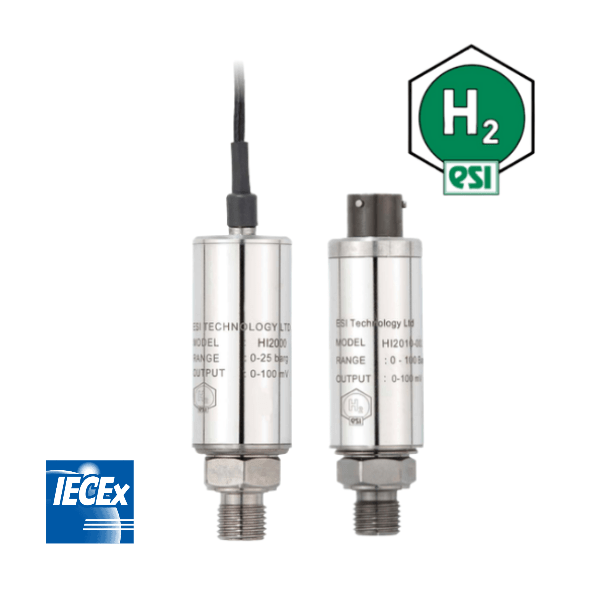
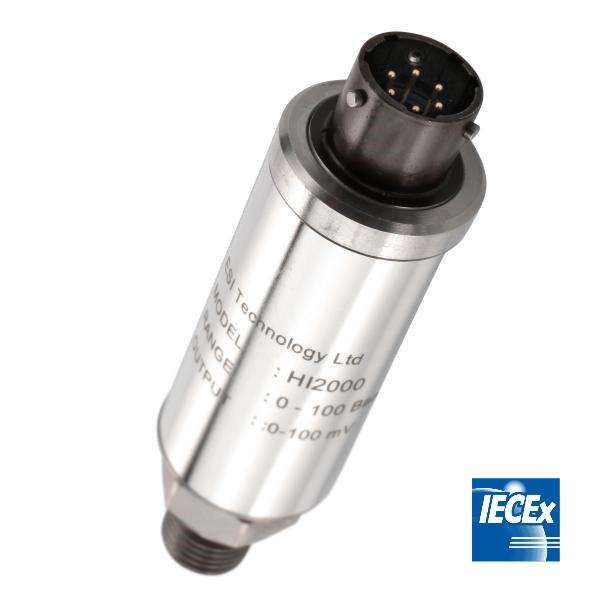
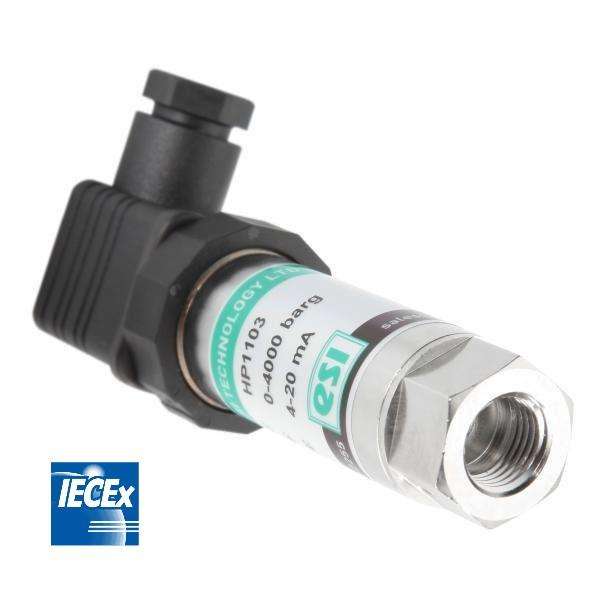
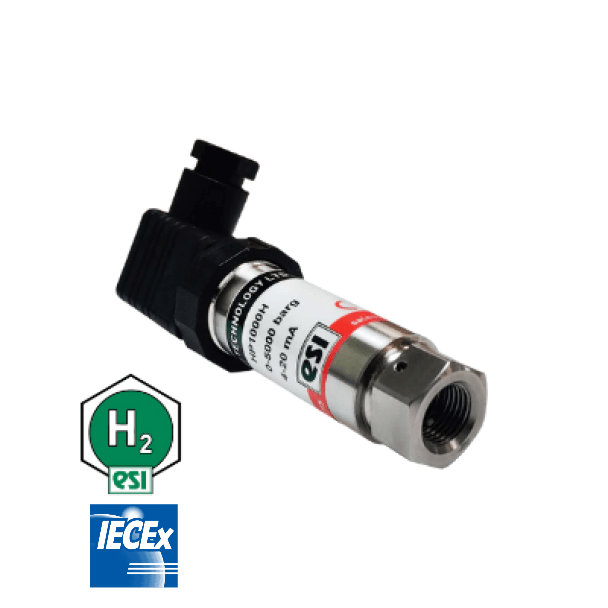
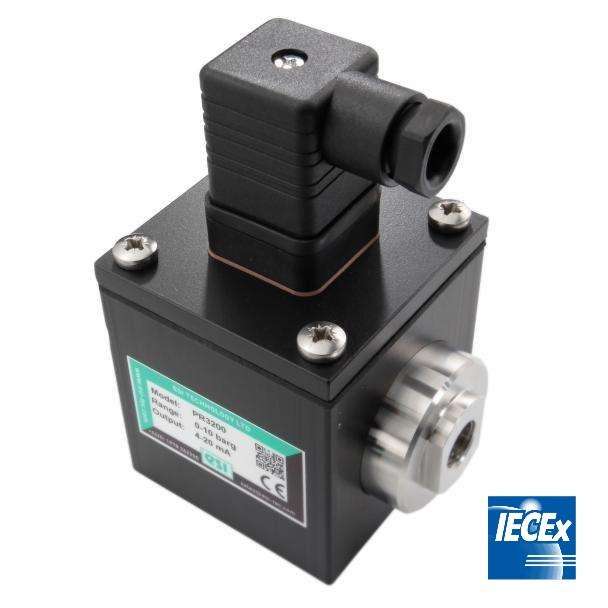
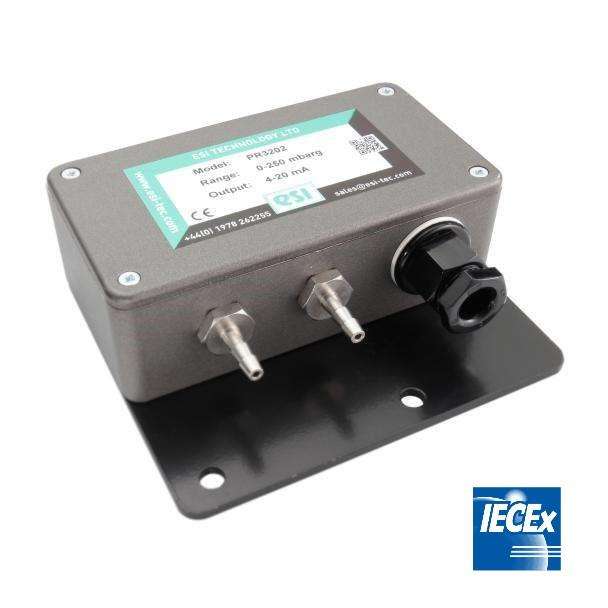
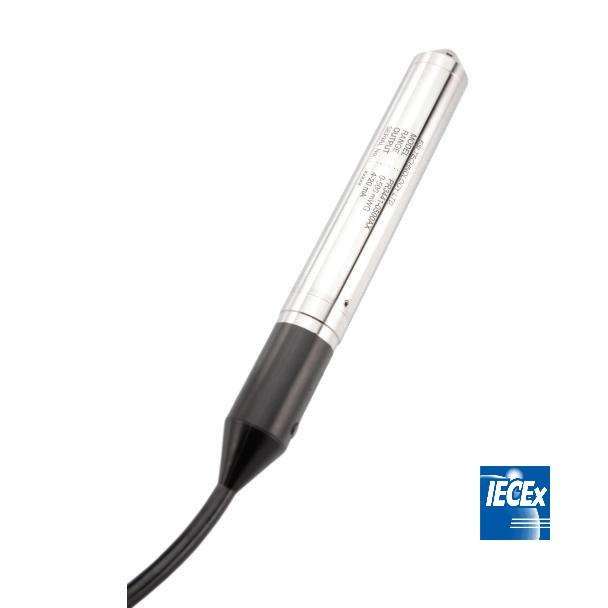
Many of ESI Technology’s pressure transmitters can be ordered with IECEx certification, allowing use in Intrinsic Safety applications. ESI’s pressure sensing devices are safe to use in explosive environments and are manufactured to the highest international safety standards.

ESI is also developing a range of explosion-proof pressure sensors with Ex d approval for those who prefer to achieve safety with this method. ADM will make further announcements about these products, once they are available.
The following ESI pressure transducers can be ordered from ADM with an IECEx certificate:
| Series / Link | Description | |
|---|---|---|
| GS4200 | Silicon-on-sapphire technology |
Image
|
| HI2000 | High-precision pressure transducer |
Image
|
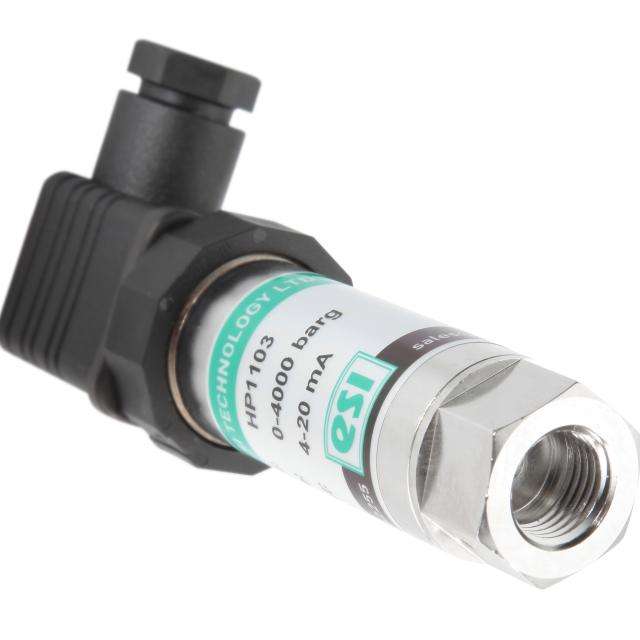
| HP1000 | High-pressure measurements |
Image
|
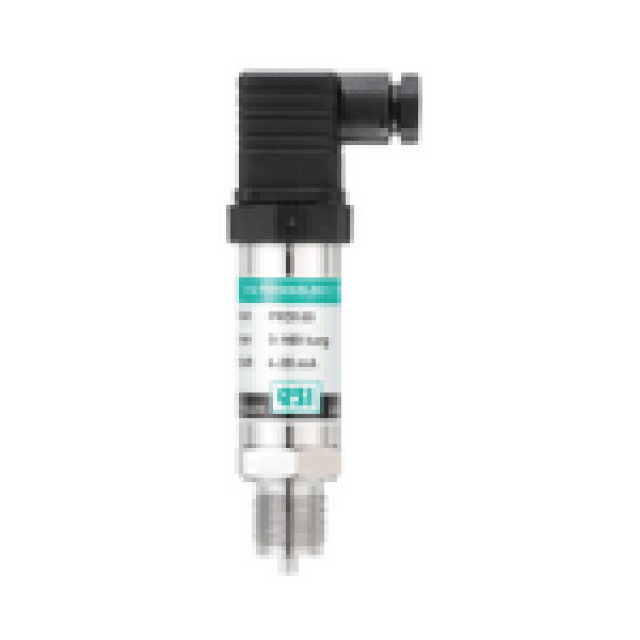
| PR3100 | Standard barrel type |
Image
|
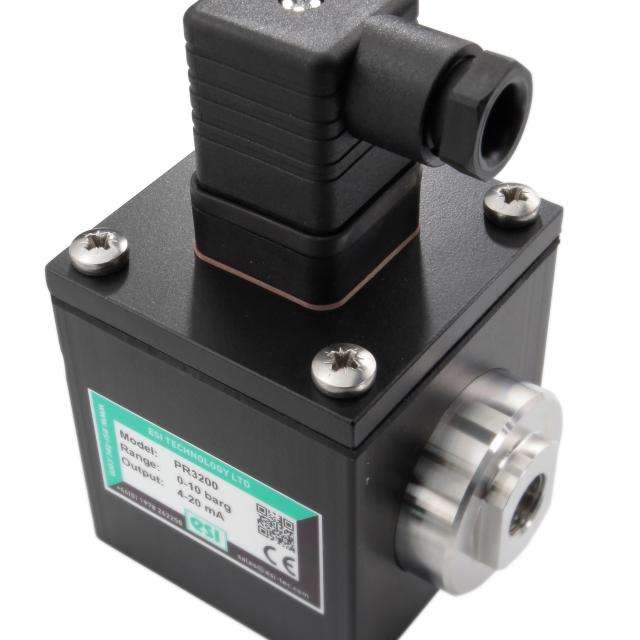
| PR3200 | Differential pressure transducer |
Image
|
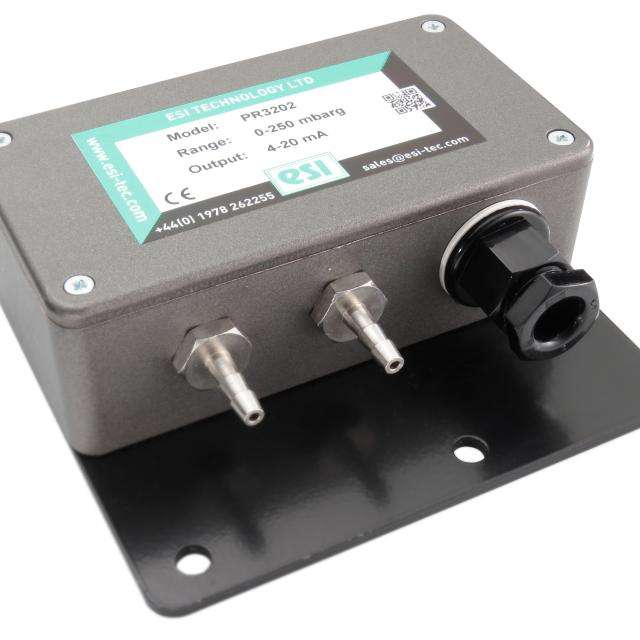
| PR3202 | Differential pressure transducer |
Image
|
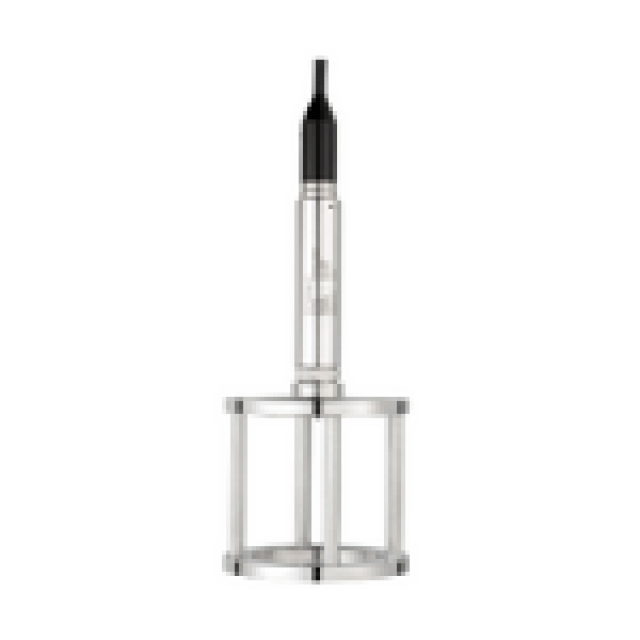
| PR3420 | Submersible Pressure transducer |
Image
|
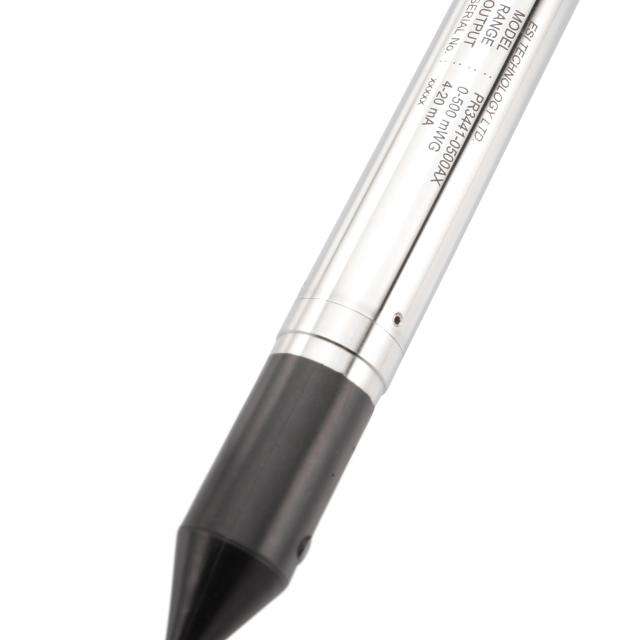
| PR3441 | Hydrostatic Level Sensor |
Image
|
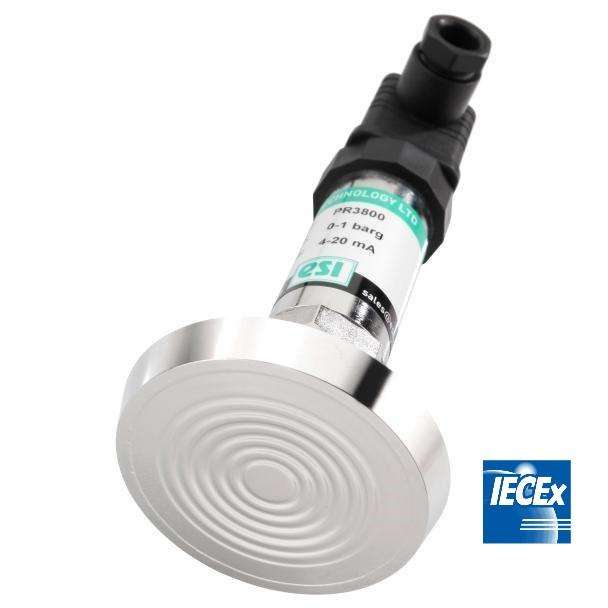
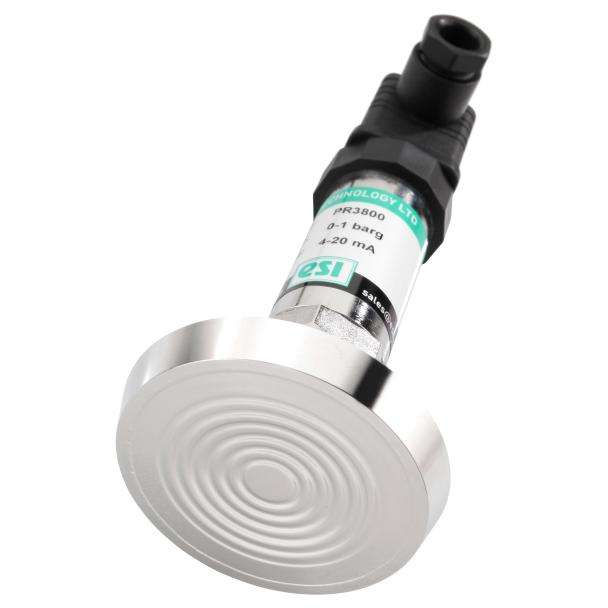
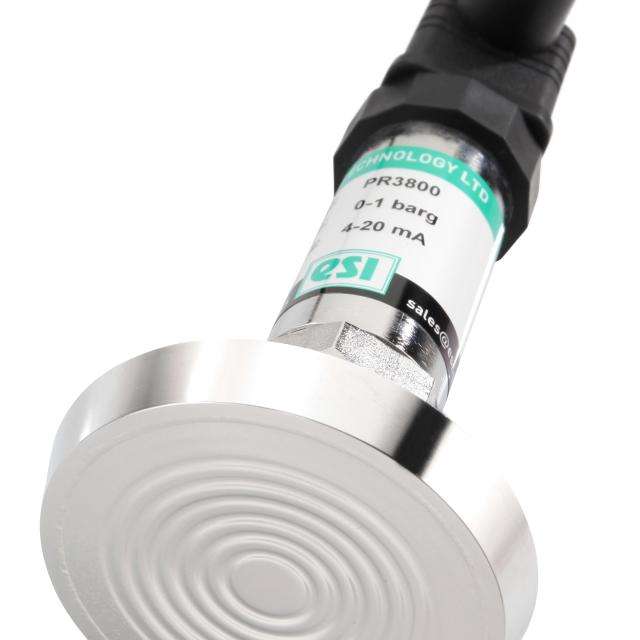
| PR3800 | Flush Diaphragm Pressure Transducer |
Image
|
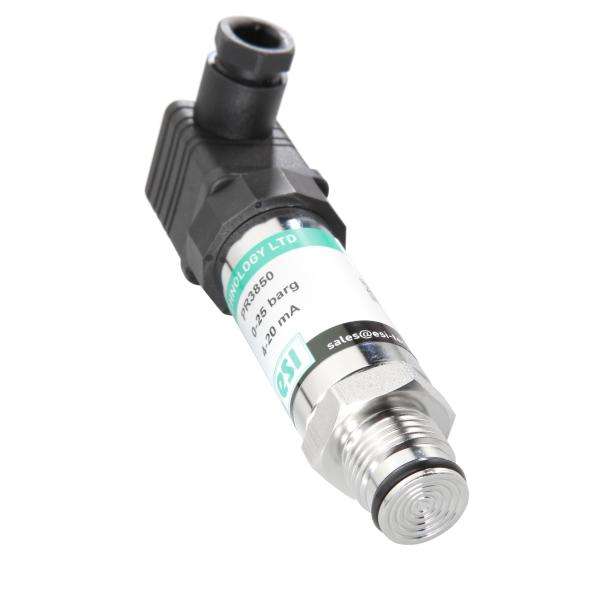
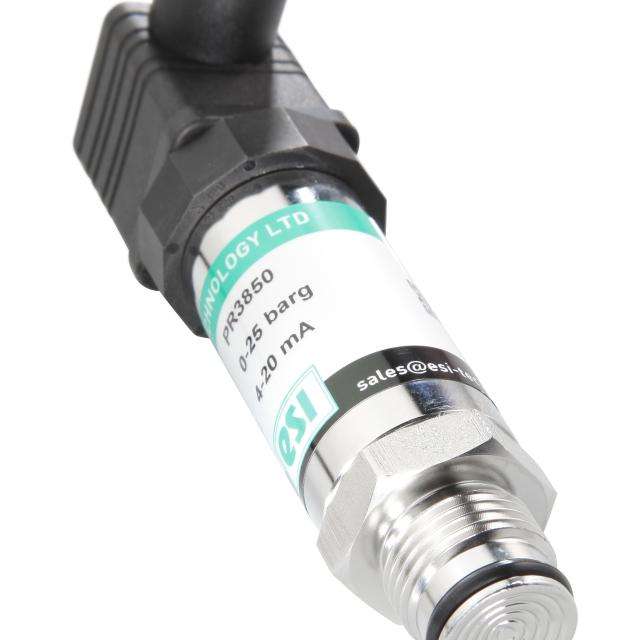
| PR3850 | Flush Diaphragm Pressure Transducer |
Image
|
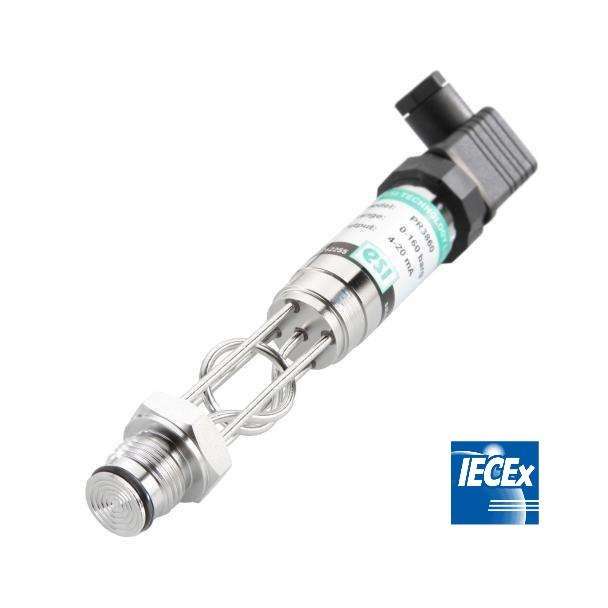
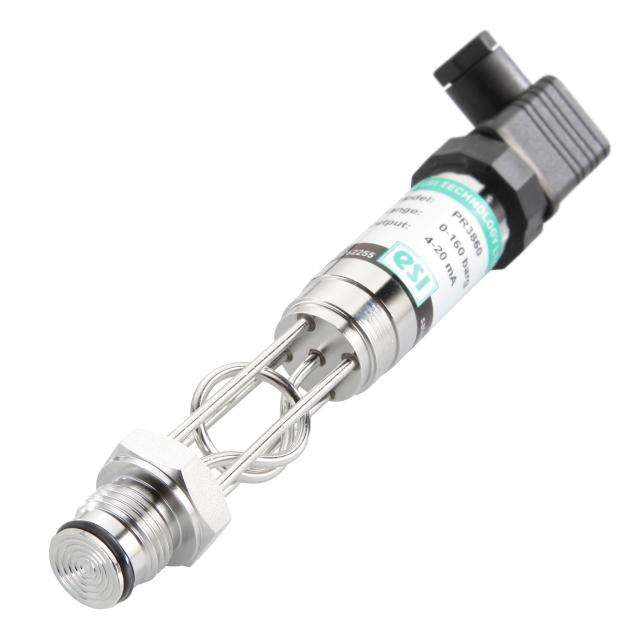
| PR3860 | High Temperature Pressure Transducer |
Image
|
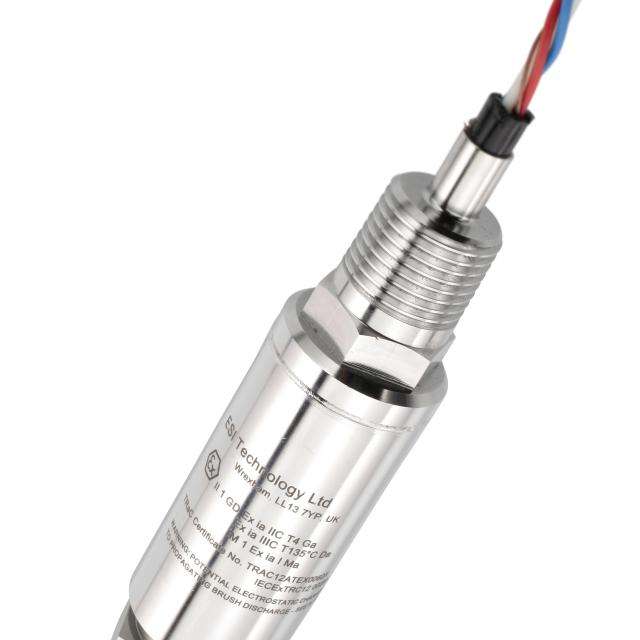
| PR3900 | Hazardous Area Pressure Transmitter |
Image
|
| PR3913 | Subsea Pressure Transmitter |
Image
|
| PR3915 | Dual Redundant Subsea |
Image
|
| PR3920 | Subsea Pressure Transmitter |
Image
|
For more information on pressure transducers for hazardous areas, please send any questions through our contact page here, or call us directly on 1300 236 467