Level Sensors for Wet-Well Collection Tanks: Non-contact Ultrasonic & Radar vs Hydrostatic Pressure Transducers
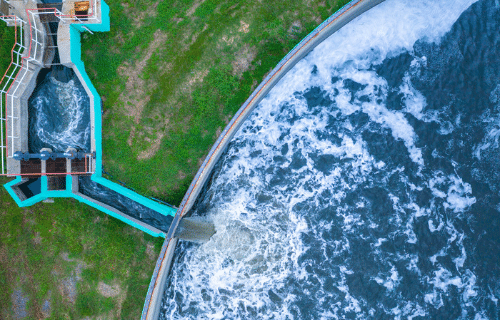
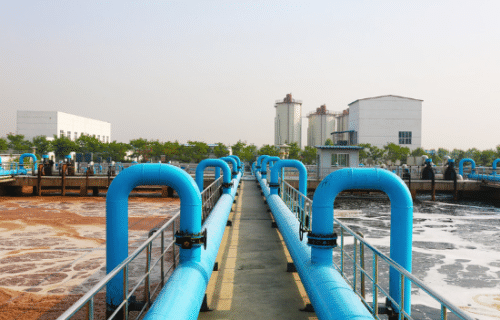
Many councils and municipalities use wet well collection pits to support sewerage and waste transit uphill when other practical options aren’t available. The wet well collects sewerage and waste until it reaches a set level, at which point a subterranean pump station pumps the waste uphill to the next pipeline circuit to the waste treatment plant.
This type of wastewater infrastructure is common across many councils around Australia. It requires various sensors and instrumentation, including hydrostatic sensors, flow meters, level meters, and pressure transducers, to support the automated system and prevent overfilling that could impact the environment and nearby residential areas.
In this article, we explore how various level sensors; ultrasonic, radar, and hydrostatic- can support wet well collection tank environments.
Hydrostatic Transducers & Non-Contact Sensors
The wet well environment can typically be monitored with a combination of level sensors to overcome common challenges in collection tanks. In this setting, engineers can deploy ultrasonic and radar level sensors to monitor level from above, or integrate a hydrostatic level sensor submerged at the base of the wet well.
In either case, challenges in this environment, such as fatbergs and built-up grease, can accumulate at the surface and affect top-down radar level sensors by scattering or absorbing radar pulses. High humidity and foaming can affect ultrasonic level sensors, causing dropouts, and surface agitation during the dual-pump process can cause false level spikes.
Hydrostatic Level Sensors
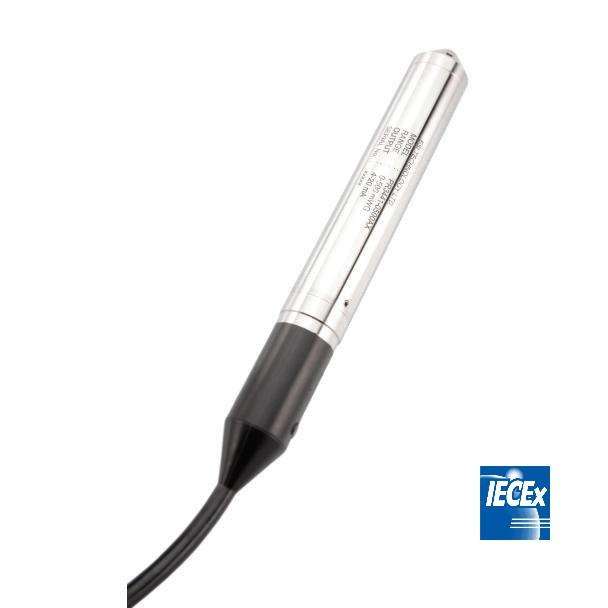
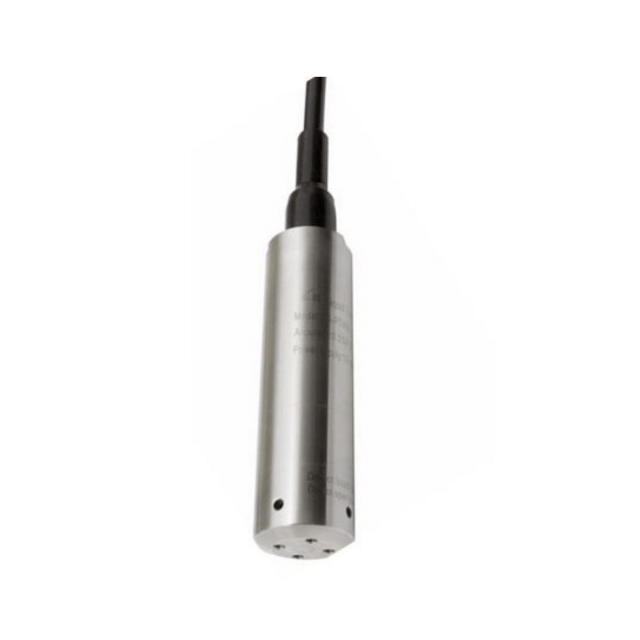
Given that fat and waste products would typically float to the top of the wet well, the hydrostatic transducer is largely unaffected by these phenomena. The hydrostatic sensor is suspended by reinforced cable to sit 100–300mm from the wet-well floor, submerged well below the grease cap and surface turbulence.
The hydrostatic level sensor is at the bottom; as the tank fills, pressure increases. When the system reaches the intended level and meets the programmed pressure threshold, it can turn on the submerged pump and begin pumping the waste collection uphill toward the treatment facility or the next pipeline circuit.
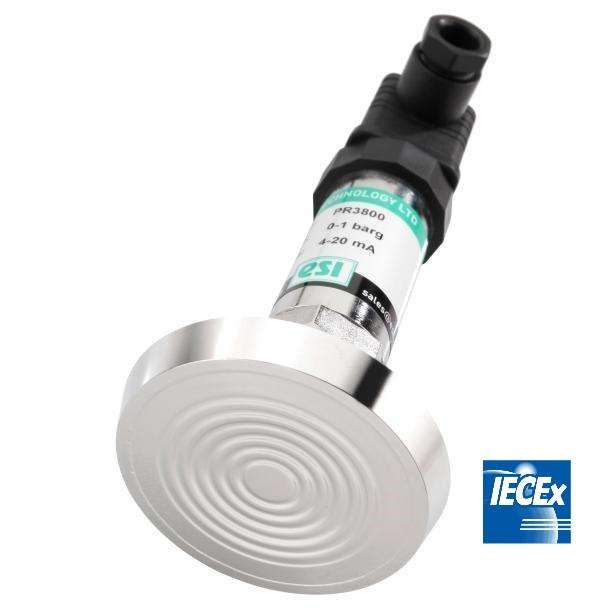
The hydrostatic pressure transducers use a Wheatstone bridge; as the diaphragm distorts under pressure, the bridge's resistance changes, which is reflected in a 4-20mA output.
A typical hydrostatic pressure transducer design features a slotted, coned-nose housing that protects the diaphragm and shields it from submerged debris.
Image
For most councils, choosing between ultrasonic, radar, and hydrostatic level transducers comes down to understanding the specific needs of the intended wet well application. All three options are effective; however, determining the best solution depends on how prevalent surface-upward build-up challenges are on that installation.
The hydrostatic pressure transducer is largely unaffected by those challenges; however, Pulsar Measurement has developed advanced ultrasonic and radar level sensors, such as DATEM, to better support non-contact level sensing in wet-well applications. Read our article on Pulsar Measurement's DATEM here.
Need Help? Give us a call!
If you have a wet-well application and are looking for a robust solution for your waste collection system, the ADM team is here to help by pairing you with the right solution. If you have any questions, contact the ADM team through our contact page or call us directly on 1300 236 467.
Image