Wastewater Lift Stations Valve Pit – Flush-Mounted Pressure Transducers
When the wet well fills up, the next step is to remove its contents and transfer them to the rising main. This process occurs through the valve pit, where the pump station begins moving waste products, wastewater, and FOGs through the system to the rising main. This process is the riskiest part of the transitionary phase, as media and other material can collect, choke, and ultimately block the pipe, leading to pump failure or pipe cracking.
In this article, we explore how pressure transducers in valve pits outside wet well collection tanks monitor for potential pipe bursts or line choking before rising main outputs.
Stuck for time? Contact the ADM team here or call directly on 1300 236 467.
High-Pressure Application – The Discharge Manifold
The common discharge manifold sits downstream of each pump’s non-return check valve and knife-gate isolate. It’s where the separate pump outlets join before leaving the station. At this point, the system checks for two main issues: pressure collapse and pressure spikes.
Pressure Collapse – Potential Pipe Burst
During normal operation, the discharge manifold works within the usual range of 3.5 to 5.0 bar. This is enough to overcome the system's elevation and friction losses.
If the pump is running at full power but the discharge transmitter shows pressure dropping toward zero, it could mean a pipe rupture. The onsite system can then stop the pump and isolate the line before any waste leaks into the environment, streets, or waterways.
Pressure Spikes – Line Choke & Dead-Head Protection
Much of the fats, oils, and grease (FOG) from the wet well flows through the manifold. Over time, FOG can accumulate and get stuck in the pipeline. As more collects, it can clog the line, making the pump work harder and raising pressure. If the pressure exceeds the safe limit, the system shuts down the pump to prevent pipe overpressure, seal failures, or damage to the pump’s stator windings.
Why use Flush-Mounted Transducers in Wastewater Systems
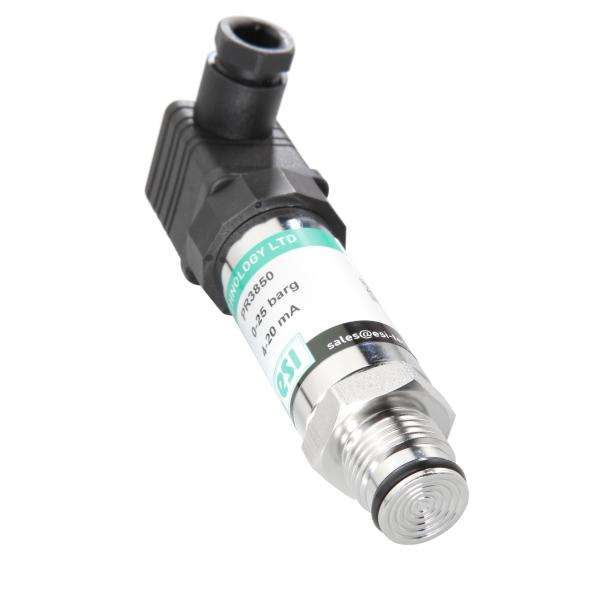
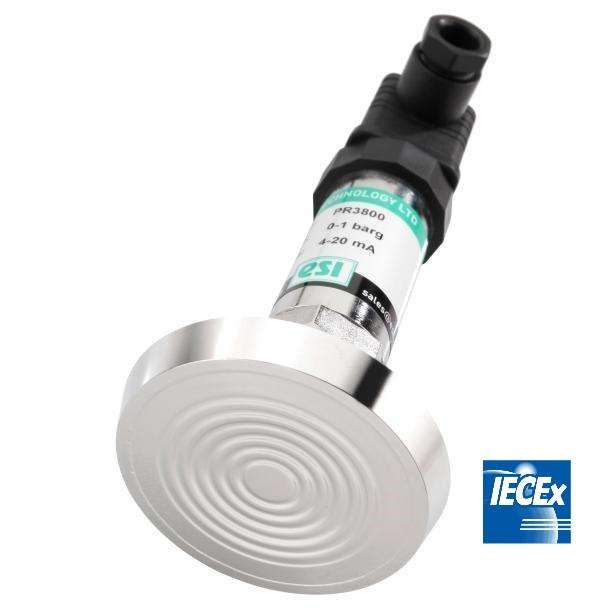
Flush-mounted pressure transducers are made to meet the needs of wastewater systems. Their flat surface helps stop waste, debris, and wipes from settling on the diaphragm, unlike standard transducers with a recessed diaphragm.
The main problem with standard recessed diaphragm pressure transducers is that waste can get trapped in the diaphragm when used in wastewater. This can make the transducer give a false reading or show zero pressure, which can lead to serious failures.
Image
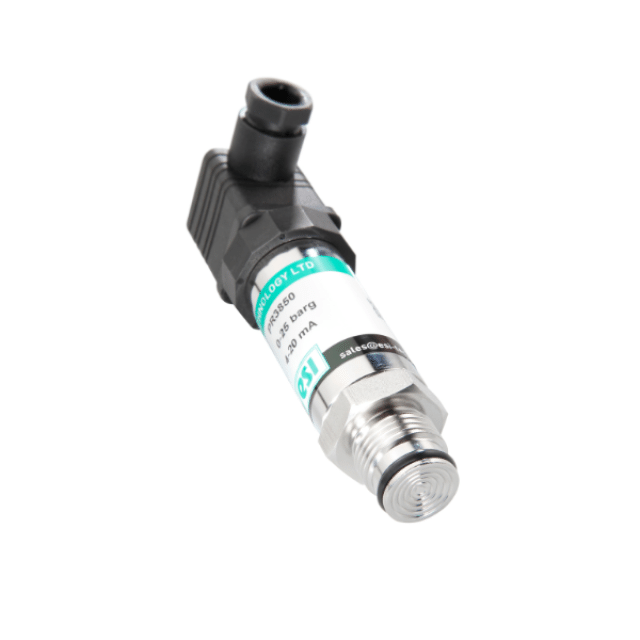
Flush-mounted diaphragms have a flat, corrosion-resistant metal surface that sits level with the inside of the pipe. These transducers have a large face and big process threads. The flat surface lets material flow smoothly past, preventing ragging. When flow is slow, or the system is off, pressure helps clear any build-up.
Explore our range of flush-mounted pressure transducers here.
Need help? Call Today!
ADM has a range of pressure transducers for wet-well and wastewater systems. If your project needs pressure-sensing equipment, we’re here to help. If you have any questions, contact the ADM team through our contact page or call us directly on 1300 236 467.
Image