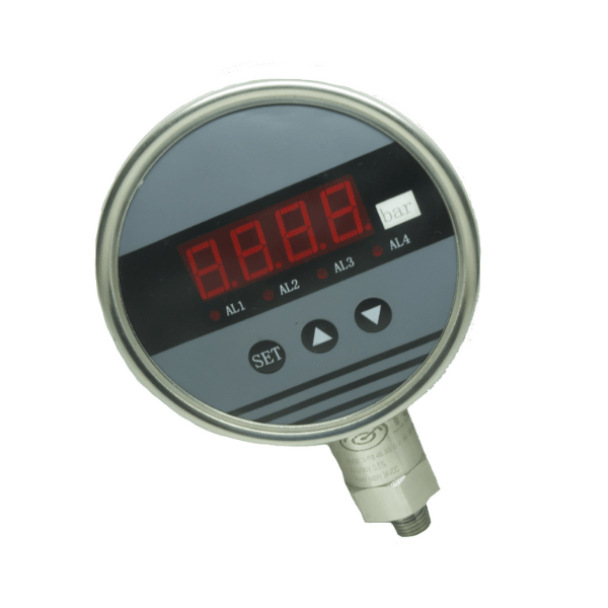
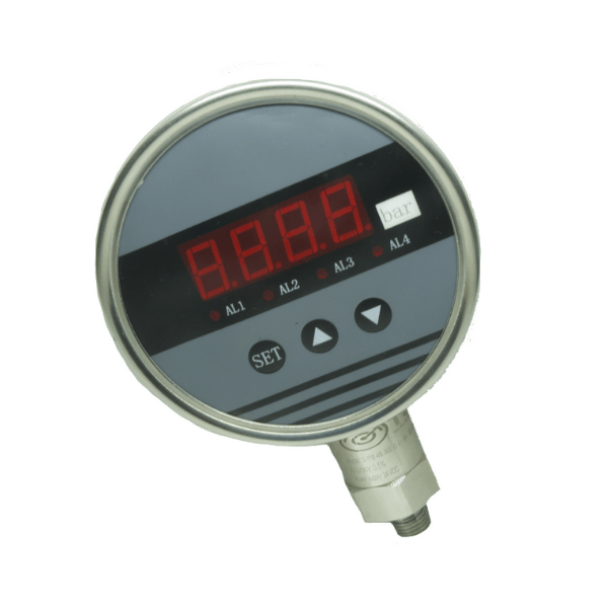
Which Type of Pressure Switch Do I Need?
Two main groups of pressure switches are designed very differently and suit different applications. These are either mechanical or electronic pressure switches. Here’s how pressure switches work and where each is best used.
Call us on 1300 236 467 or send any questions through our contact page here.
How Mechanical Pressure Switches Work
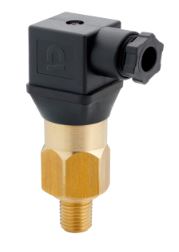
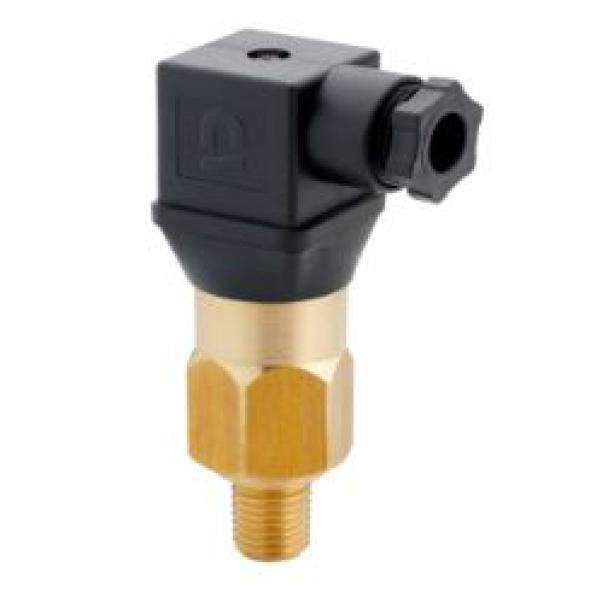
Directly behind the pressure switch’s process connection port is either a diaphragm, piston, or bellows chamber. The medium’s pressure deforms or moves against an end stop, and the chamber acts directly on a microswitch, or potential free contact. The setpoint can be adjusted with an adjustment screw or Allen key that repositions the microswitch within the movement range so it triggers at the required pressure. Suitable Applications for Mechanical Pressure Switches
- Over- or under-pressure protection of hydraulic cylinders
- Dry run pump protection
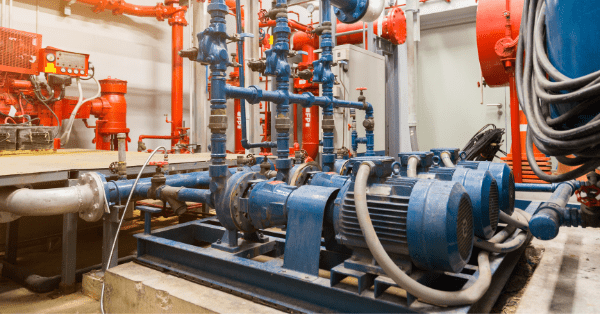
- Fire systems
- Mobile moving machinery
Advantages of Mechanical Pressure Switches
- Lower cost.
- Higher current ratings – can switch pumps, motors, or valves directly through the switch.
- Being a passive device, no power source is required.
Disadvantages of Mechanical Pressure Switches
- Lower longevity with high switch-rate applications.
- Not effective for switching low-power control signals (e.g. PLC inputs), unless gold contacts are selected.
- To set the switch-point pressure, some mechanical pressure switches hide the adjustment screw under the DIN plug connector, and the setup process is not easily carried out on site.
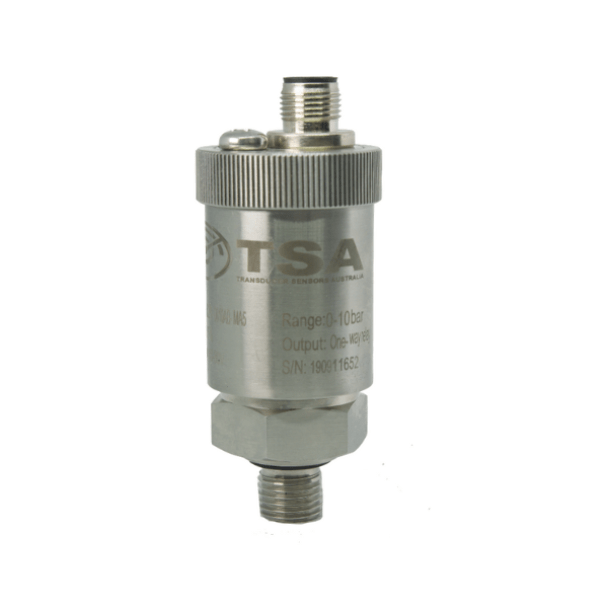
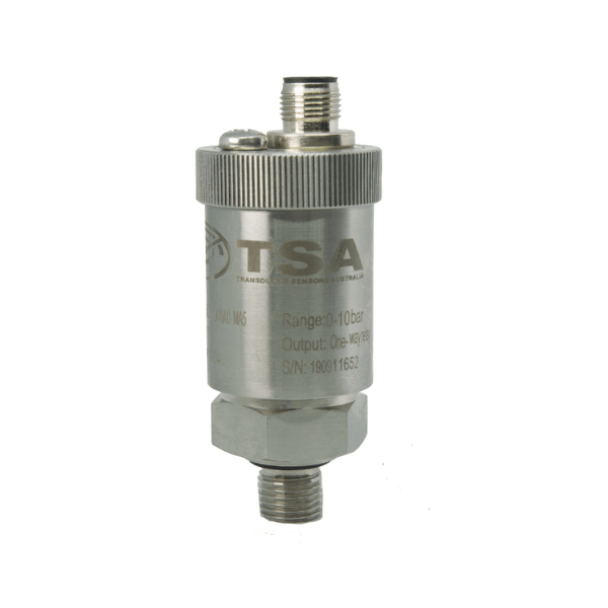
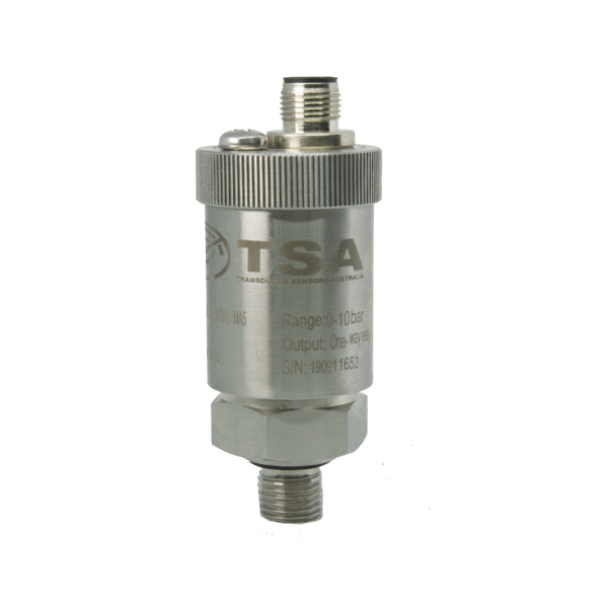
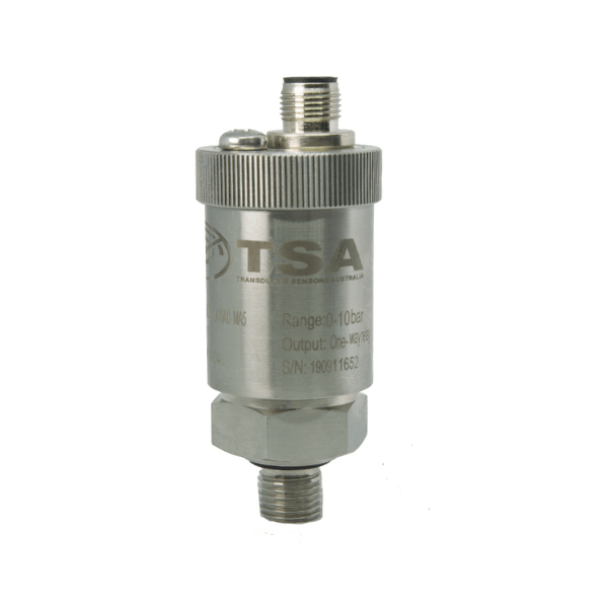
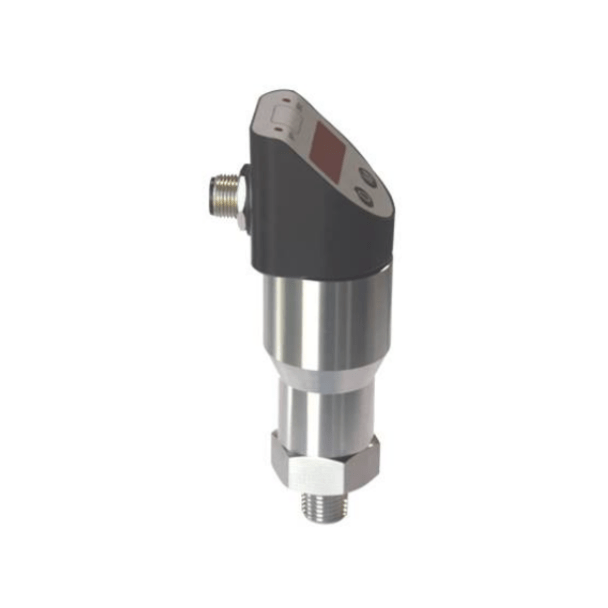
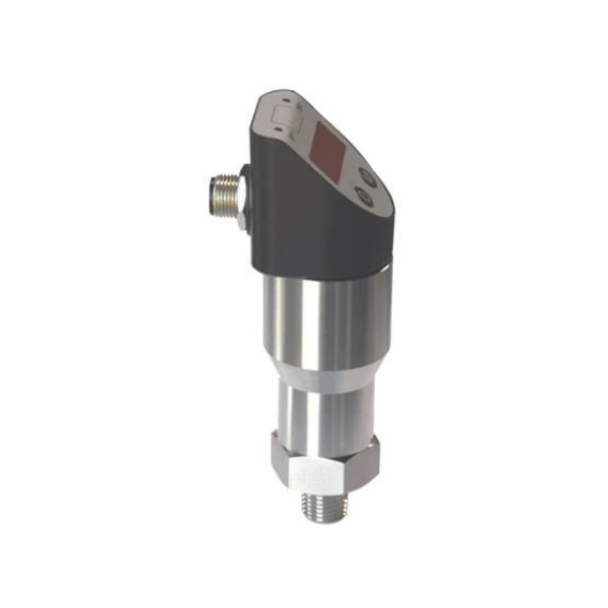
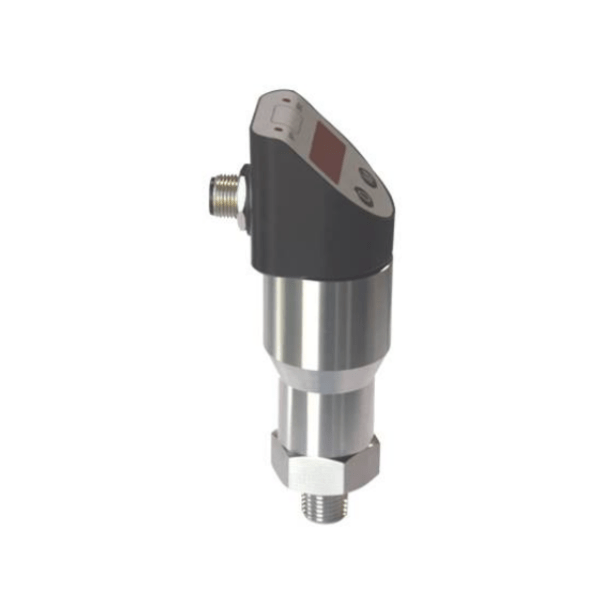
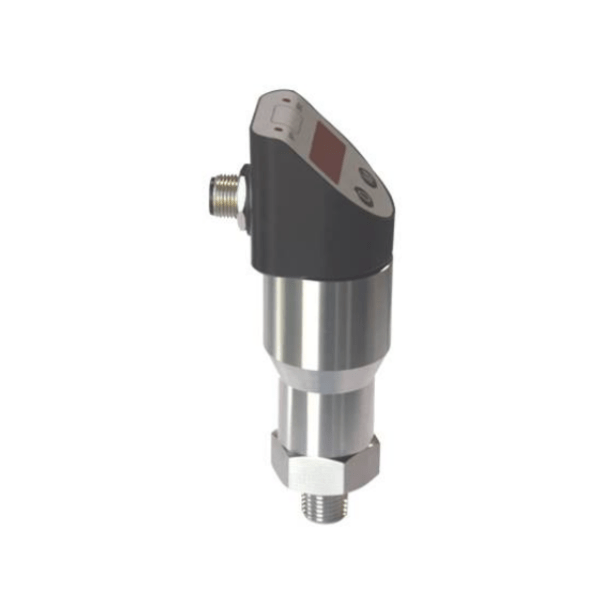
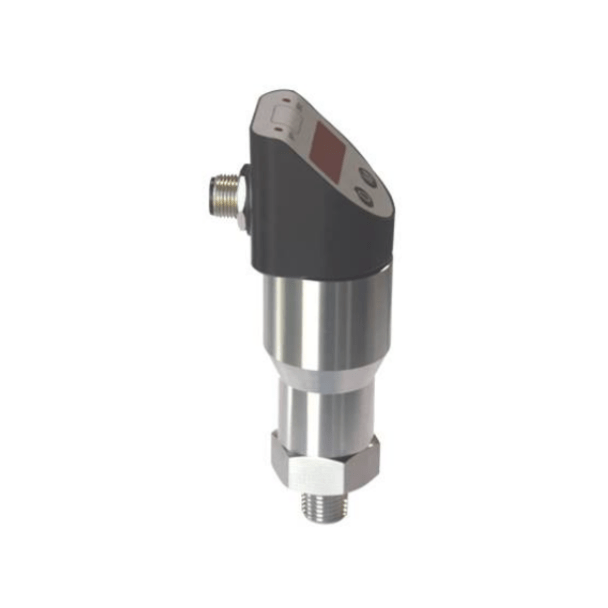
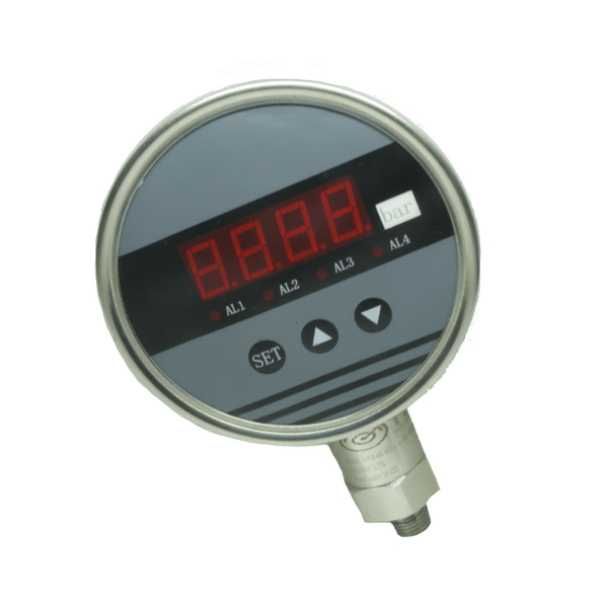
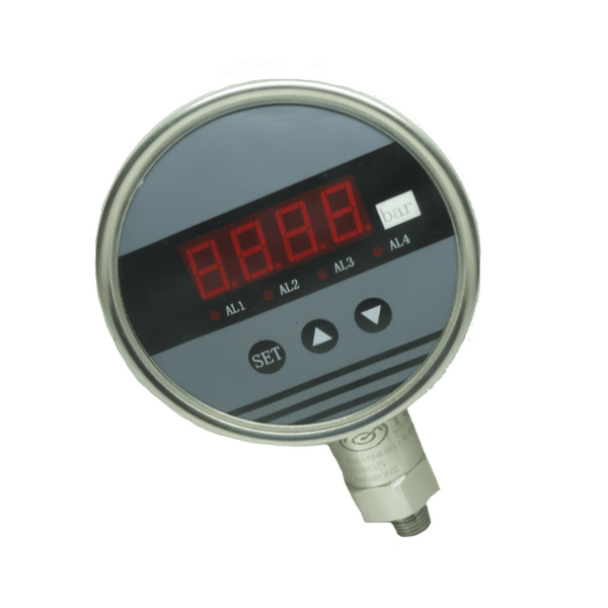
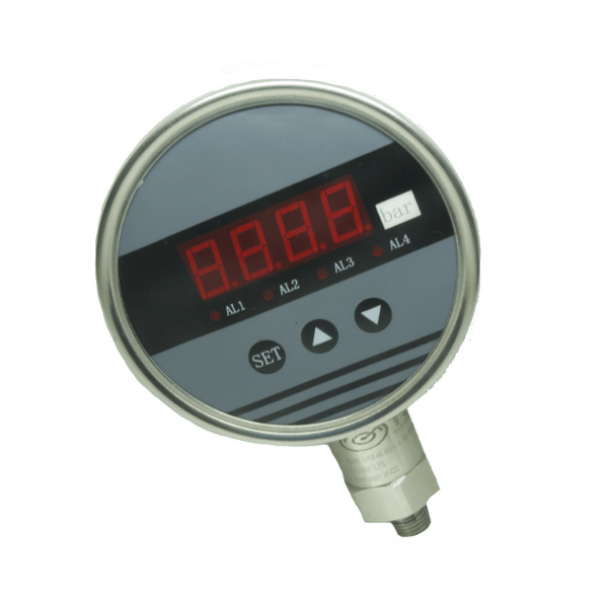
How Electronic Pressure Switches Work
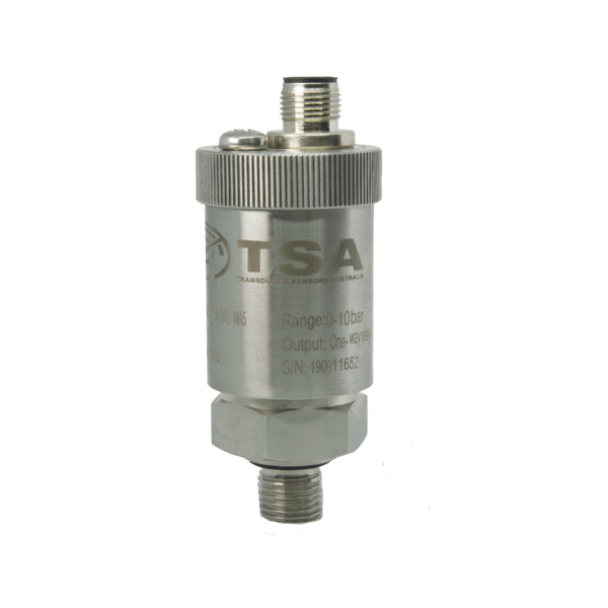
Much like a pressure transmitter, the sensor inside the pressure switch’s port can be described as a plate that separates the media from the electronics.
On the opposite side of the plate is a transducer that converts any deflection in the plate into a measurable signal. (The definition of a transducer is a device that converts one form of energy into another.
The pressure switch's components can take the form of either a resistive bridge or strain gauge type sensor, piezo effect, thin sputter film, or silicon on sapphire, to name a few.
The variations depend on the intended application of the pressure switch, including chemical or corrosion resistance, temperature, accuracy, cost, and pressure range.
Instead of transmitting an analogue signal as 4-20 mA or 0-10V, an electronic pressure switch uses a logic comparator to compare the analogue signal against a trim pot (variable resistor) value and convert the result into an ON/OFF output signal, which triggers a transistor or relay.
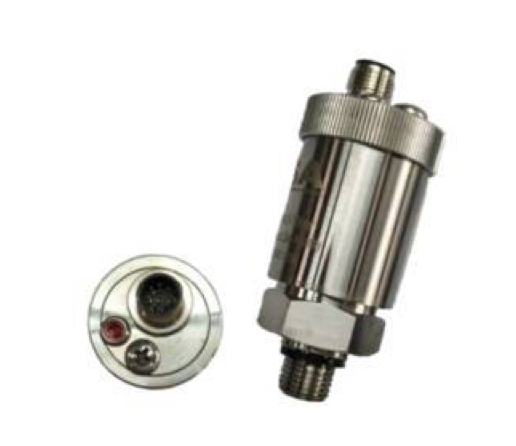
Suitable Applications for Electronic Pressure Switches
- Process control applications.
- Automation systems.
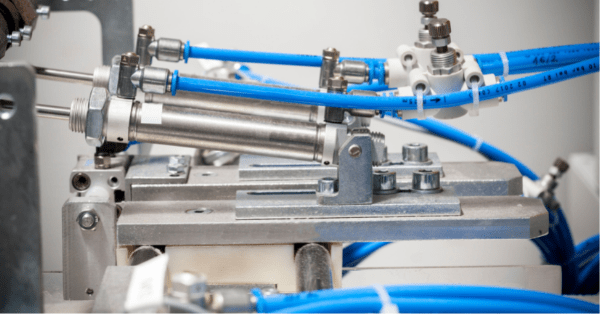
- Packaging machines.
Advantages of Electronic Pressure Switches
- Ideal for high switching rate applications.
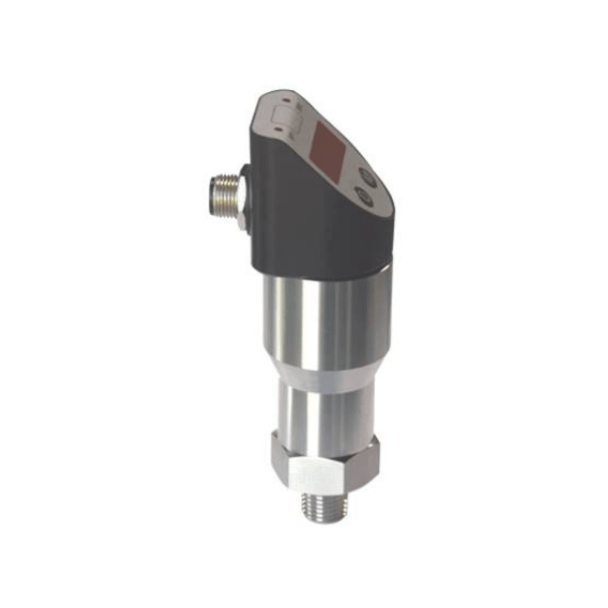
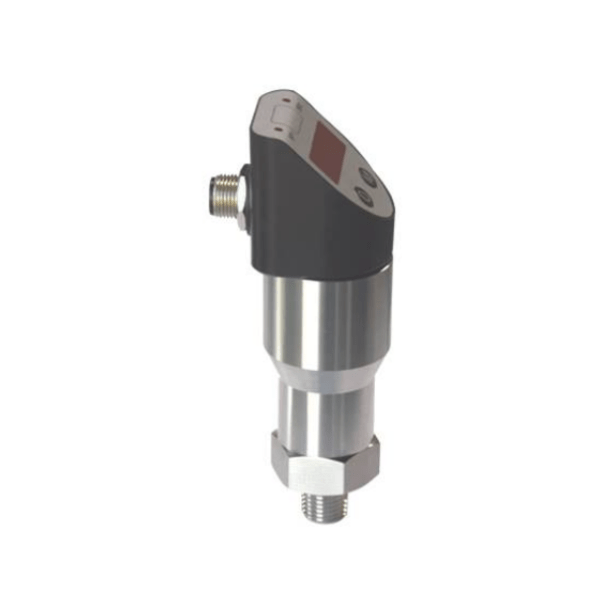
- Setpoint adjustment is easily accessible.
- High accuracy and repeatability.
Disadvantages of Electronic Pressure Switches
- Requires a power source, typically 10-30VDC.
- Higher cost than a mechanical pressure switch.
Mechanical vs Electronic Pressure Switch
Feature / Criterion | Mechanical Pressure Switch | Electronic Pressure Switch |
Operating Principle | Diaphragm/piston/bellows trips microswitch | Strain gauge/piezo transducer with electronic comparator |
Auxilary Power | Passive (no external power required) | Requires DC power (typically 10–30 VDC) |
Switching Frequency | Best for low-to-moderate cycle rates | Ideal for high-cycle and rapid automation systems |
Signal Compatibility | High voltage/current (up to 250 VAC / 5 A); needs gold contacts for PLC | High voltage/current (up to 250 VAC / 5 A); needs gold contacts for PLC |
Setpoint Adjustment | Adjustment screw or Allen key | Digital display, pushbuttons, or trim pot |
Typical Cost | Lower initial cost | Moderate-to-higher initial investment |
Adjustable Pressure Switches
Both mechanical and electronic pressure switches can be user-adjustable or pre-set during manufacture.
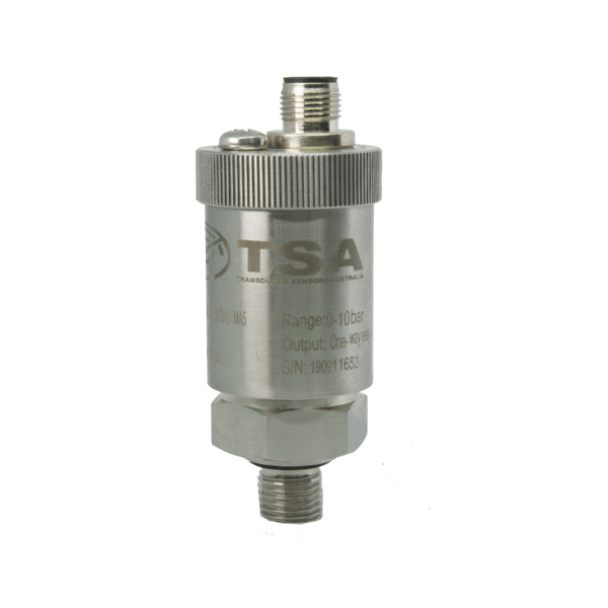
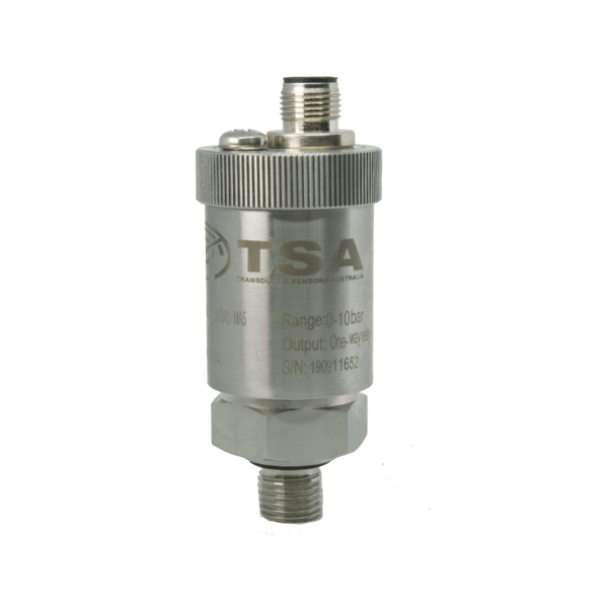
A user-adjustable pressure switch is convenient, such as our TSA range of mechanical pressure switches.
This adjustability lets you fine-tune your pressure switch point for any application and helps avoid nuisance switching. ADM stocks adjustable pressure switches because it allows us to provide a solution for many different customers and applications.
Pre-set pressure switches offer a small price advantage. This may be an attractive option for original equipment manufacturers who need pressure switches with the same set point to be supplied on a regular basis, and can plan their purchasing cycle according to the manufacturer's lead time.
Adjustable pressure switches can be set to switch at a particular pressure in the field or on the bench by using a small Allen Key or screwdriver. To set this on the workbench, you will need a dead-weight tester. This tester uses precision weights. A simple hydraulic system applies pressure on the port of the sensor and on a secondary, accurately calibrated pressure gauge. Once the pressure setpoint is reached, the pressure switch is adjusted so that it either opens or closes accordingly.
Pressure Switch Contacts
Pressure switches with a built-in SPDT potential-free contact relay may cost a little more, but it is worth it for the added convenience. It can function as either a normally open or normally closed switch. It is recommended that you source a pressure switch with a high voltage and current rating (like 250VAC / 5A), so that you may drive larger devices directly and without the need for an interposing relay.
Most pressure switch manufacturers offer pressure switches with gold-plated switch contacts for a small charge. This is a requirement if you are switching into the digital input of a PLC or process controller. These inputs draw a very low current (< 20mA), and a standard contact often does not make a good enough electrical contact, which means the PLC will not detect the change of state.
It should be noted that if you pass more than 1 Amp through a pressure switch with gold contacts, the gold plating will burn off in time and will no longer be suitable for future use with PLC inputs.
Pay close attention to the material the pressure switch body is made from. First, consider the material's chemical compatibility for your application. Brass offers the best value for money with low-pressure applications, and zinc nickel-plated steel for high-pressure pressure switches. Stainless steel pressure switches offer good corrosion resistance for a broad range of applications.
For mechanical pressure switches, the industry-standard DIN 43650 electrical plug is common, and for automation applications with electronic pressure switches, an M12 connector is preferred.
Pressure switch process connections can vary depending on the maximum pressures involved and the nature of the application. However, in Australia, ¼" BSP Parallel seems to be the most common standard.
So many choices for such a simple device! Let ADM Instrument Engineering guide you through.
Explore our range of TSA pressure switch products here.
Frequently Asked Questions
When should I use a mechanical pressure switch instead of an electronic switch?
Why do PLC inputs require gold-plated contacts on mechanical pressure switches?
What thread standard is standard for pressure switches in Australia?
Contact Us!
If you would like more information on pressure switches, please send your questions via our contact page or call us directly on 1300 236 467.